 By Sibbo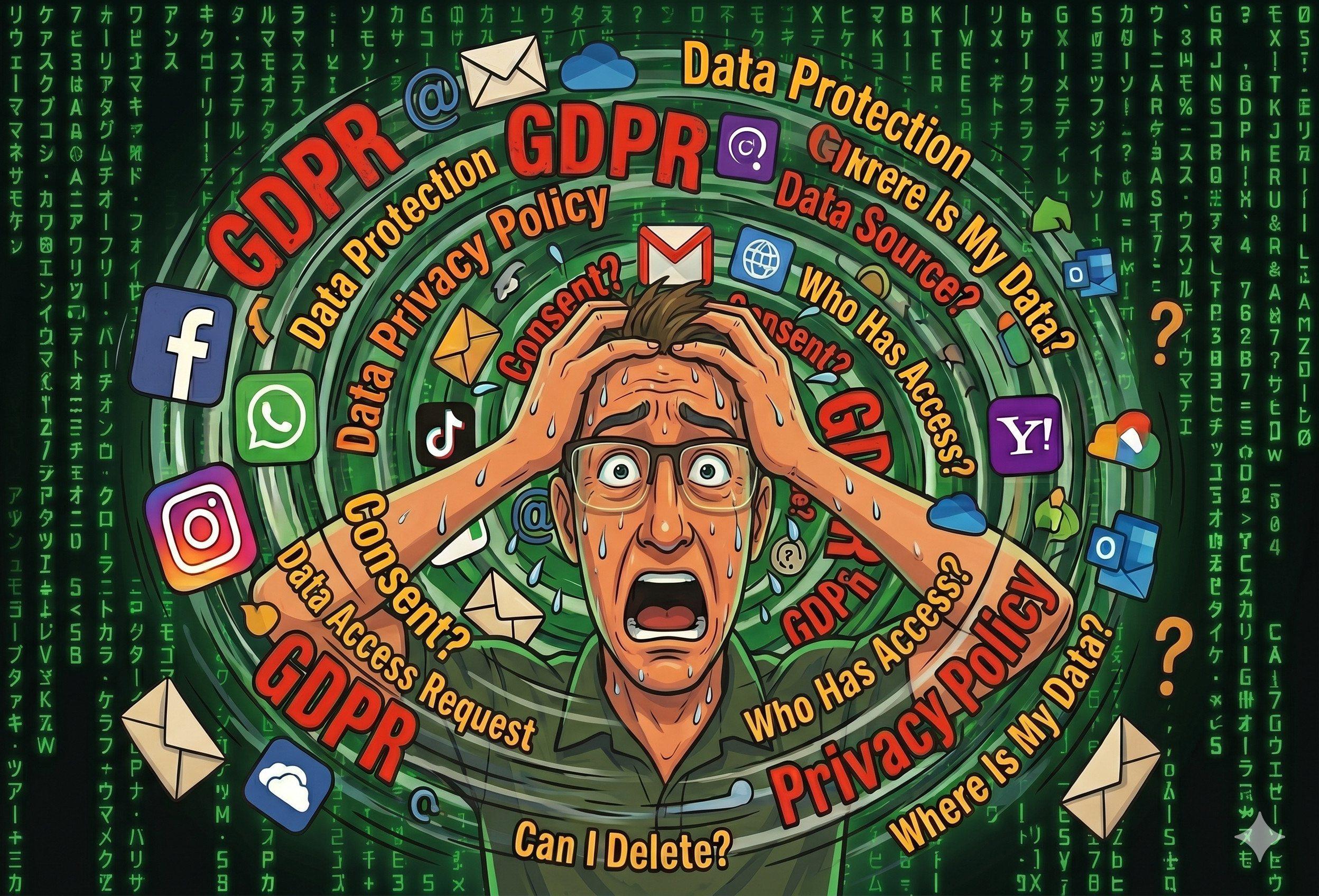
Recent word events have put a large focus on what we consume in the digital world and how we interact with it and who is watching.
There is a real focus on large businesses, institutions and governments examining their ‘digital footprint’ looking at the cyber security, economic security and political security. There is too much at stake for them to lose from reputation and money with businesses or in the case of governments, their own sovereignty.
These concerns equally apply to each and everyone who has a presence on the internet.
There are a number of big tech companies that overtime have provided a valuable service that is often free. This has been a huge driver for adoption of technology in all walks of life for the greater good.
- People on low income can have a free email address and access digital services even with a low cost mobile phone and data package.
- The elderly are able to communicate with loved ones, or maintain a connection to the outside world and like minded people, even when they are less mobile than they would like.
- People can get any item they could possibly desire delivered to their door without leaving the house, in some cases less than 24 hours after ordering.
- Rural communities and ‘digital nomads’ are thriving and are no longer cut off based on geography with people being able to work from literally anywhere.
This innovation has democratised the internet turning it from this thing that ‘geeks’ use with some squeaky telephone device during the 90’s when I was at Uni, into something that has changed our world more profoundly than any other invention.
When Sir Tim Berners Lee laid the foundations and defined the concepts of what would be the internet or the World Wide Web as us old-timers used to refer to it as, his vision was for it to be a tool to democratise the world, provide knowledge to all walks of life and ensure there were as few barriers of entry as possible, so that has largely happened, but I don’t think even Sir Tim could of anticipated what the internet has become, both the good and the bad.
Universities were some of the first institutions to embrace this philosophy as it is is the corner stone of their own, the sharing and access to knowledge for all. The infrastructure was built and maintained within these like minded institutions for researchers, academics and students to embrace and help build the internet of the future. It was truly an amazing thing to see first hand and be involved in as a young student.
When the internet gradually seeped into the public conscience and became fully accessible, this philosophy was carried forward and a network of enthusiasts helped provide people with tools to lay the bricks that were used to build the internet.
One example of this, that I remember was GeoCities, a free service that allowed people to build web pages and express their interests and provide information to like minded people. Being an F1 fan, I built a most simple website that hosted recovered audio of some of Murray Walkers infamous quotes from commentary. It was rudimentary but I was proud of it and it helped my understand the potential. It was a social network before anyone even know what a social network was. Some examples of these sites exist in digital archives of the past (time capsules). Here are a few examples
It has a long history but serves as a good example of big business monetising a principled original concept.
Now I feel we have reached a tipping point where the business model of the big tech companies is no longer following this philosophy and your data, your communication, knowledge and money is what feeds the internet now and the harvesting and monitising of public data is forming the next wave of internet revolution. This is a massive subject to cover another time.
This brought me to the point that I knew I had to start examining my use of the internet, look in the mirror and ask myself the following questions :
‘Where in the world is my data?’
‘What is my data being used for?’
‘What protections are there for my data?’
‘Who can and has accessed it?’
‘What can I do to be more secure and what is the cost?’
If you are interested in the topic I’ll be posting suggestions of how I tackle cleaning up my digital footprint over the coming weeks. It takes some time, but there are great options out there that are actually better and importantly, more secure.